
In a presentation that felt more like a high octane circus act than a traditional corporate unveiling, Elon Musk finally pulled the curtain back on the long awaited next generation Tesla Roadster. Held in Waco, Texas, the event saw the electric supercar defy physics by driving vertically up a massive ramp thanks to a SpaceX powered suction system and performing aerial acrobatics that included a literal kick flip over other Tesla models. To cap off the spectacle, the company claimed the vehicle hit sixty miles per hour in just point eight one seconds, pushing the boundaries of what is possible for any land based transport.
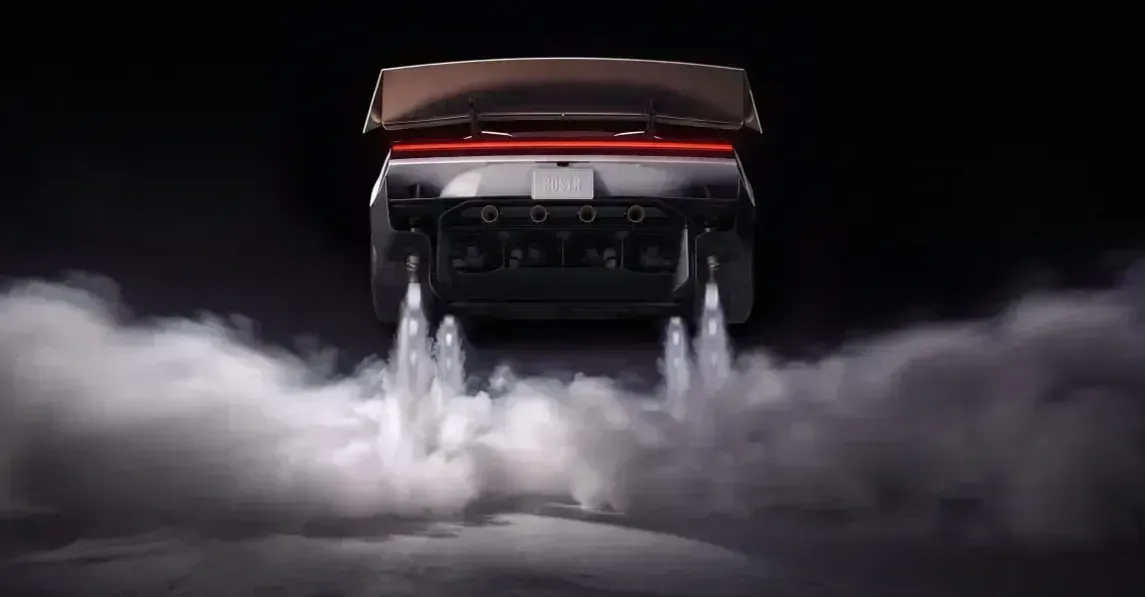
The secret behind these gravity defying feats lies in a complex array of cold gas thrusters and high pressure air tanks integrated into the chassis. According to engineering lead Lars Moravy, the design draws heavily from aerospace legends like the SR seventy one reconnaissance aircraft. By utilizing ten different nozzles to manage attitude control and propulsion, the car can essentially operate as a low altitude rocket, allowing it to roll and rotate in midair. While Musk joked that the car takes the fun meter to eleven out of ten, he conceded that such extreme capabilities might not be optimized for standard passenger safety.
Despite the dazzling display, several practical questions remain unanswered regarding how this machine will actually reach customers. There was no mention of pricing or specific delivery dates during the brief thirty minute showcase, though Musk suggested production could begin by twenty twenty eight. More importantly, while early claims hinted at it being a street legal vehicle, Tesla later admitted that many of these configurations would never be approved for public roads due to inevitable clashes with aviation and highway safety regulators.
To accommodate different levels of intensity, Tesla plans to offer three performance tiers ranging from a road ready version to an invite only Rocket edition. The top tier model ditches the second seat entirely in favor of full perimeter thrusters, promising acceleration under point six seconds and speeds exceeding two hundred thirty miles per hour. For those who have waited since the initial announcement nearly nine years ago, these upgrades may feel like compensation for years of delays and vaporware rumors. Whether it arrives on schedule or becomes another missed deadline remains to be seen, but for one afternoon in Texas, Tesla proved that cars no longer need to stay grounded.