

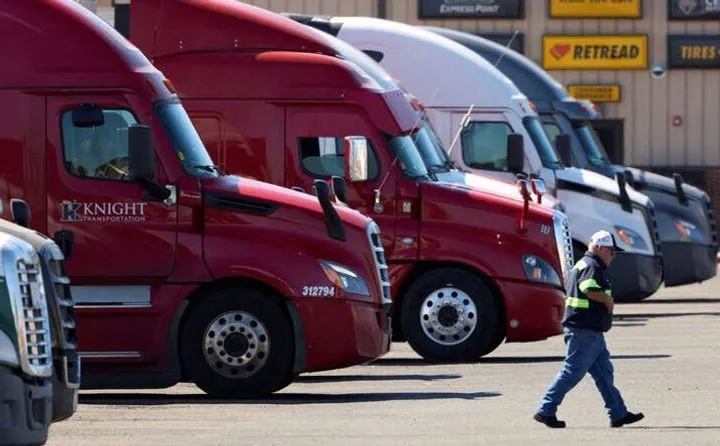
U.S. producer prices experienced their sharpest climb in four and a half years this September, signaling that inflationary pressures are spreading far beyond just energy costs. According to the latest data from the Labor Department, the Producer Price Index for final demand jumped 1.3 percent, blowing past economist forecasts and marking the steepest monthly gain since March 2022. Much of this spike was fueled by a dramatic surge in energy costs, with gasoline and diesel prices soaring due to geopolitical tensions involving the U.S., Israel, and Iran.
The ripple effects of these wholesale price hikes are already touching various sectors of the economy. Wholesale food prices bounced back after months of decline, likely influenced by record-high diesel costs affecting transportation via road and rail. While some items like eggs saw a price drop, fresh vegetables leaped by 41 percent. Analysts warn that as businesses face these rising input costs and narrowing margins, they are more likely to pass those expenses directly onto consumers to protect their profits.
This trend creates a precarious situation for the Federal Reserve as it attempts to hit its long-term inflation target of 2 percent. While financial markets currently bet on a delay until December for any further interest rate hikes, some economists believe another increase this month may be necessary given how quickly prices are accelerating. The challenge is compounded by a stagnant labor market where wage growth has slowed, leaving many low-income households struggling to keep pace with the cost of living.
Adding to the complexity is mixed data regarding consumer behavior. Although retail sales appeared strong on paper last month, much of that growth was simply people paying more at the pump rather than buying more goods. When stripping away volatile factors like gasoline and automobiles, underlying consumer spending shows signs of cooling down heading into the fourth quarter. Experts suggest that if inflation continues to heat up while consumer momentum fades, the central bank will find itself in an increasingly uncomfortable position when deciding whether to hold rates steady or push them higher once again.