

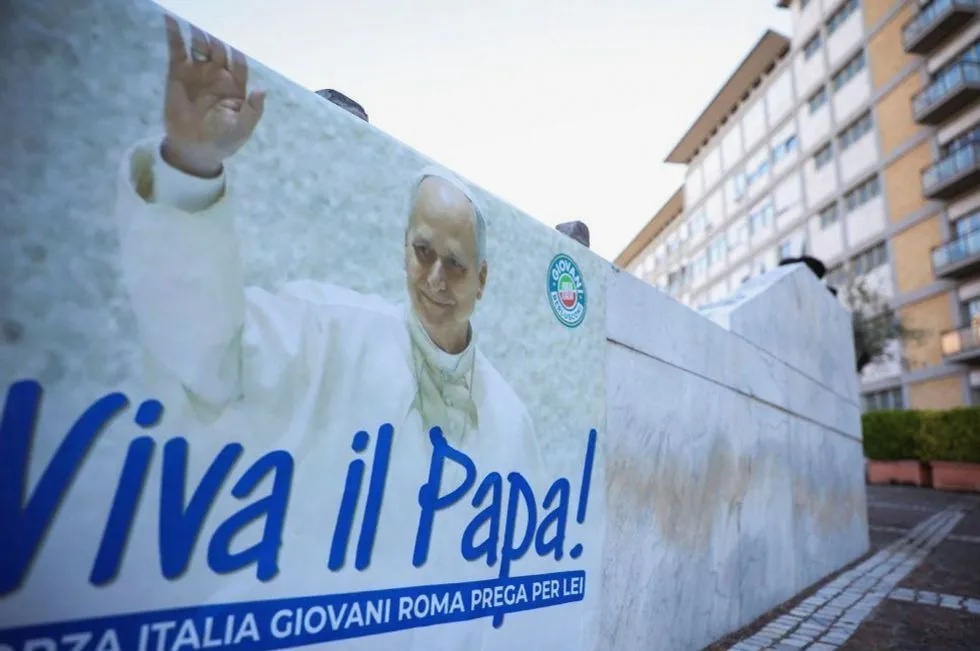
The Vatican recently revealed that Pope Leo XIV underwent surgery to remove the lower lobe of his right lung after being diagnosed with adenocarcinoma. This particular condition is a subtype of non small cell lung cancer, which represents the vast majority of global cases. According to medical experts like Dr. John Heymach of the MD Anderson Cancer Center, while this form of cancer remains serious, it often carries slightly higher cure rates than other variations of the disease, provided it is identified in its earliest stages.
One of the most hopeful aspects of the pontiff’s case is how the tumor was discovered. Because lung cancer typically does not present obvious symptoms until it has progressed, early detection often happens by accident through incidental findings during unrelated scans. In the pope’s instance, a nodule was spotted during another examination, allowing surgeons to intervene before the cancer could spread. This timing is critical, as late stage symptoms such as chronic coughing or shortness of breath often indicate a much more difficult road to recovery.
Treatment for early stage adenocarcinoma frequently involves surgical resection. By removing a specific lobe of the lung, doctors aim to eliminate all cancerous tissue entirely. For someone like Pope Leo XIV, who maintains an active lifestyle through swimming and tennis, specialists believe his physical health will aid his recuperation. Thoracic surgeons note that remaining lung tissue generally compensates for a missing lobe over several months, meaning many patients eventually return to their normal levels of activity without significant difficulty.
Looking forward, the focus shifts to whether supplementary treatments will be necessary. Depending on the final pathology reports regarding tumor size and cellular aggression, doctors may consider chemotherapy, radiation, or targeted immunotherapy to prevent recurrence. Early indicators are positive; officials report that the pope was walking shortly after his procedure and his initial post operative tests have returned normal results, signaling a strong start to his healing process.