
What were the key takeaways from Tether’s Q1 report?
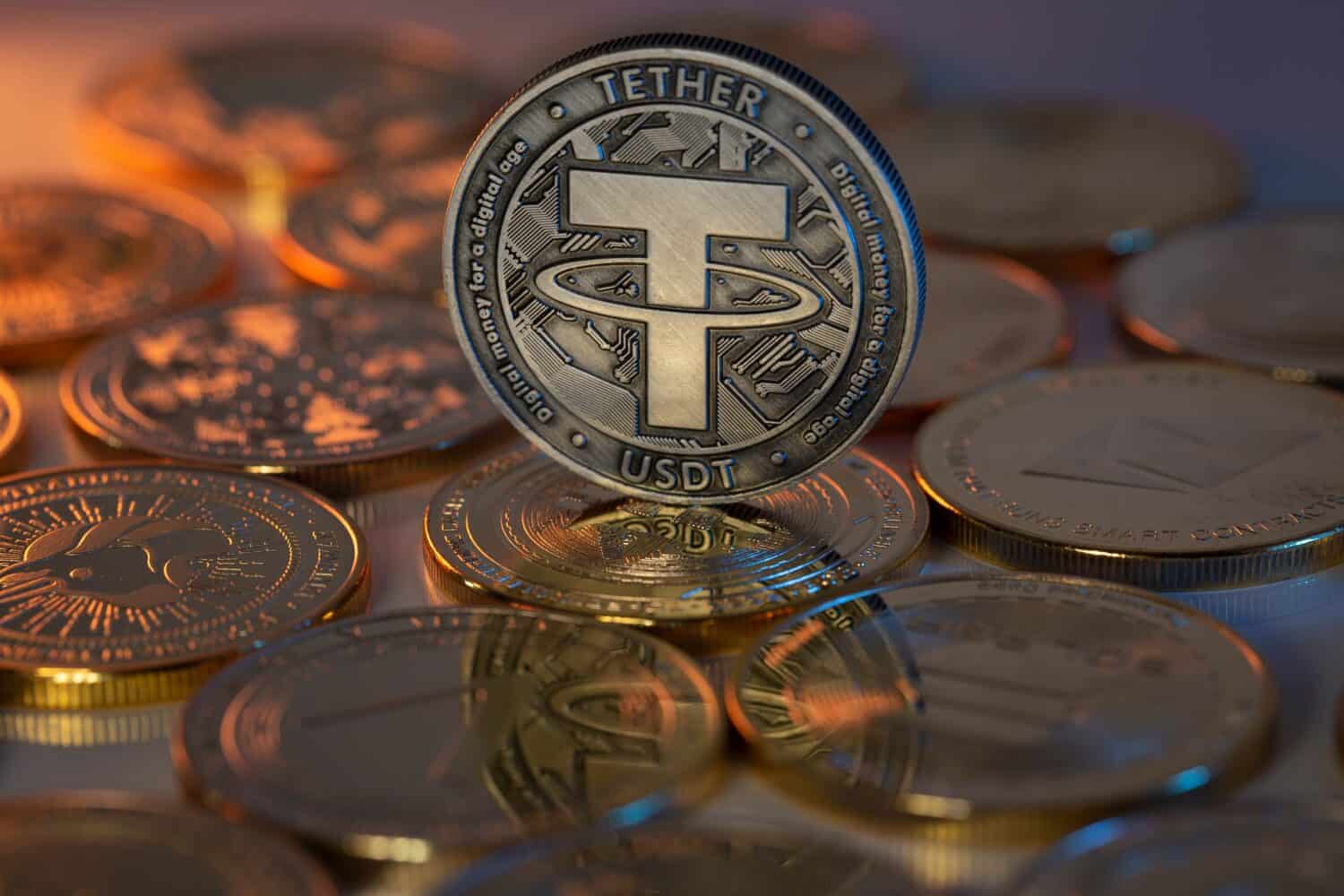
Stablecoin issuer Tether announced a profit of $1.04 billion for the first quarter of 2026, marking a strong performance despite a slight decline compared to its annual profit of over $10 billion in 2025. Tether’s Q1 report, prepared by global accounting firm BDO, highlighted a significant increase in its excess reserves, which grew to a record $8.23 billion by March 31. This increase underlined the company’s continued profitability, although it fell short of last year’s record-setting pace.
The quarterly attestation, which provides a snapshot of reserves as of March 31, does not constitute a full financial audit but offers insight into the company’s financial standing and its role in the global market. Tether has maintained its position as one of the largest players in the stablecoin sector, continuing to operate with a clear focus on liquidity and stability.
How is Tether managing its reserves?
Tether’s reserves remain heavily concentrated in short-duration, high-quality liquid assets, with its largest exposure being $141 billion in U.S. Treasury bills. This exposure places Tether among the top 20 holders of U.S. Treasuries globally, alongside sovereign nations like Saudi Arabia and South Korea. Tether’s strategic holding of Treasuries underscores its increasing influence in the global demand for U.S. dollars, particularly in the wake of global economic uncertainty.
Beyond U.S. Treasuries, Tether’s reserves also include gold valued at around $20 billion and bitcoin holdings worth approximately $7 billion. The inclusion of these assets is part of Tether’s strategy to diversify its reserves while balancing liquidity, resilience, and exposure to macroeconomic assets that tend to perform well under stress conditions. This diversified approach helps Tether maintain its stability even in volatile market conditions.
Investor Takeaway
What’s Tether’s current financial position?
As of March 31, Tether reported total assets exceeding $191.7 billion, with liabilities totaling $183.5 billion. Of these liabilities, $183.4 billion are tied to the issuance of digital tokens, reflecting an excess of $8.2 billion in reserves. Tether’s reserve structure, combined with its strong profit generation, offers a robust foundation for the stability of its USDT token, which remains one of the most widely used stablecoins globally.
Importantly, Tether emphasized that its proprietary investments, held through Tether Investments, are not part of the reserves backing issued tokens. These investments are fully segregated from USDT reserves, ensuring that the company’s operating capital is separate from the funds backing its stablecoin issuance. This separation provides additional transparency and security for token holders.
What’s the outlook for USDT in circulation?
Despite fluctuations in the broader crypto market, USDT in circulation remained stable throughout the first quarter. The company reported token-related liabilities of approximately $183 billion as of March 31. Tether CEO Paolo Ardoino stated that USDT’s market performance reflects sustained demand, with the token continuing to trade near all-time highs.
As of April, the total supply of USDT had increased by more than $5 billion, indicating continued strong demand for the stablecoin. This uptick in circulation further solidifies Tether’s dominance in the stablecoin market as it continues to serve a vital role in the global financial ecosystem, particularly in crypto-to-fiat transactions.
Investor Takeaway
What does this mean for Tether’s future?
Tether’s ongoing profitability and robust reserve growth put the company in a strong position for the future. Its continued exposure to safe and liquid assets, including U.S. Treasuries and bitcoin, offers resilience in both stable and turbulent market conditions. As regulatory frameworks for stablecoins continue to evolve, Tether’s transparent reserve structure and sustained market presence will likely make it a key player in the broader financial system, particularly in the growing digital asset space.