
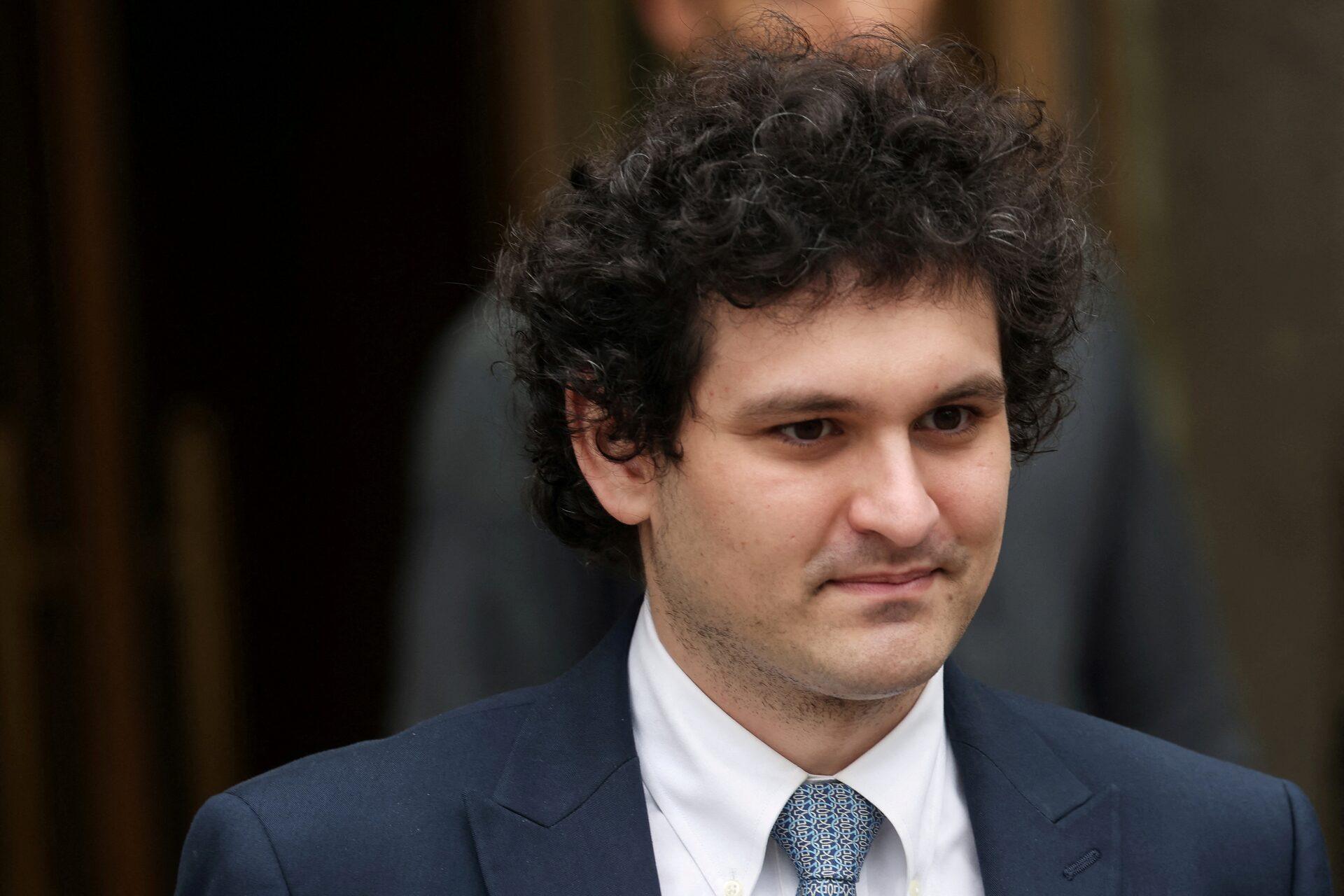
Judge Kaplan Rejects Bankman-Fried Bid for New Trial
Why Did the Court Reject the New Trial Request?
US District Judge Lewis Kaplan has denied Sam Bankman-Fried’s request for a new trial, rejecting claims that new evidence showed the now-bankrupt FTX exchange was solvent.
In an order filed Tuesday in the US District Court for the Southern District of New York, Kaplan dismissed the submission, describing the arguments as lacking merit. The ruling follows Bankman-Fried’s earlier motion in February, where he alleged that prosecutors withheld information and that key witnesses were unavailable due to government pressure.
Kaplan pushed back directly on those claims. “He could have obtained or at least sought to compel their testimony,” the judge wrote. “But he did neither. His assertion that their absence (or, in one case, the decision of the witness to testify against him) was a product of government threats and retaliation is wildly conspiratorial and entirely contradicted by the record.”
The decision reinforces the court’s position that the issues raised had already been examined during trial proceedings.
What Happened to the “New Evidence” Claim?
Bankman-Fried’s legal argument centered on what he described as newly available testimony from former FTX Digital Markets co-CEO Ryan Salame and ex-head of data science Daniel Chapsky. He claimed both individuals were unwilling to testify due to fear.
However, the court found no procedural barrier that would have prevented their testimony during the original trial. Kaplan’s ruling indicates that the defense failed to take the necessary legal steps to secure or compel those witnesses at the time.
The judge also criticized the broader framing of the evidence, stating that the material presented was not new and had been raised repeatedly during earlier proceedings.
Investor Takeaway
Where Does This Leave Bankman-Fried’s Legal Strategy?
Bankman-Fried withdrew his motion for a new trial last week, stating he did not expect a fair hearing from Kaplan, whom he had previously asked to be recused. Despite the withdrawal, the court proceeded with its ruling on the merits of the request.
An appeal remains pending, representing his primary legal avenue going forward. The former FTX CEO was convicted in November 2023 on all seven counts related to fraud against customers, lenders, and investors, and was later sentenced to 25 years in prison.
Prosecutors described the case as one of the largest financial frauds in recent years, drawing comparisons to historical Ponzi schemes. Alameda Research, the affiliated hedge fund also founded by Bankman-Fried, played a central role in the misuse of customer funds.
Investor Takeaway
How Did the Court Respond to Public Narrative Efforts?
Kaplan also addressed Bankman-Fried’s attempts to shape public opinion around the case, referencing media appearances and interviews used to present his version of events.
“A fatal flaw of that spin (and the present motion) is that Bankman-Fried’s so-called ‘facts’ have been seen before,” Kaplan wrote. “Many times.”
The court’s response highlights a clear divide between legal standards and public-facing narratives, reinforcing that arguments must meet evidentiary thresholds within the judicial process rather than rely on external framing.