
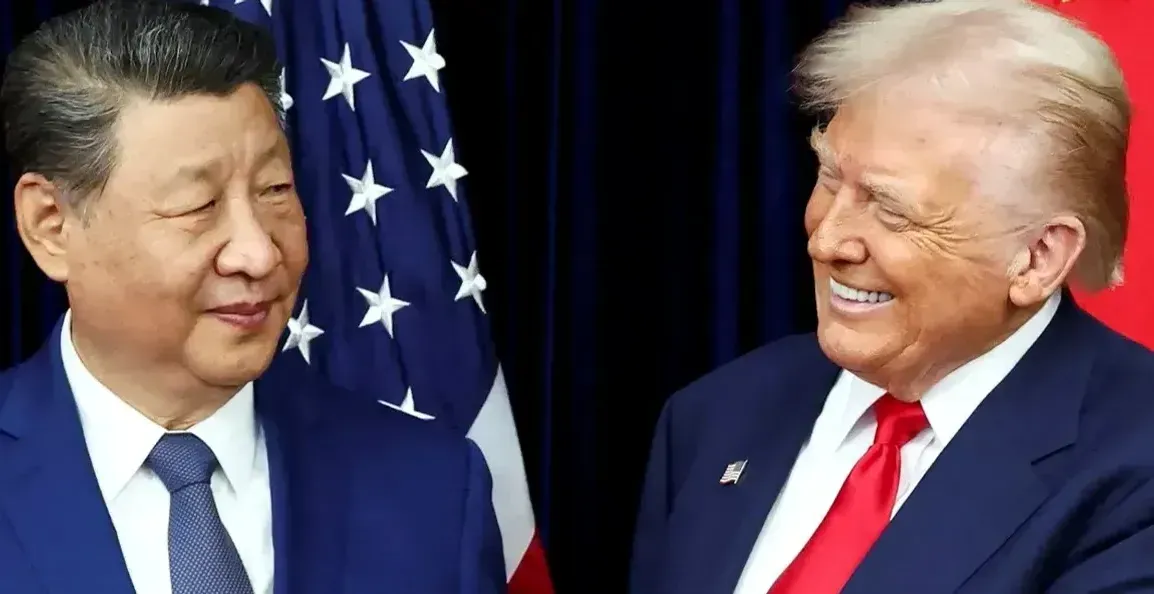
The diplomatic world is bracing for a high stakes encounter in Shenzhen as Presidents Donald Trump, Xi Jinping, and Vladimir Putin prepare for their first ever trilateral meeting. Scheduled during the Asia-Pacific Economic Cooperation summit on November 18 and 19, the gathering comes at a moment of extreme global instability. While the White House suggests that nuclear proliferation will be the primary focus, the backdrop is far more complex, involving a deadlock in the US-Israeli war on Iran and simmering trade hostilities between Washington and Beijing.
Central to the discussions is the collapse of the New START treaty, which previously capped the nuclear arsenals of the US and Russia. President Trump has pushed for a modernized replacement that would force China into the fold, though Beijing has expressed strong reluctance to enter an agreement it did not help draft. Despite these ambitions, administration officials have tempered expectations, admitting that while the topic will ignite conversations, a formal agreement remains unlikely given China’s current stance on disarmament negotiations.
Beyond nuclear weapons, the economic fallout from the conflict in Iran looms large over the table. With the Strait of Hormuz remaining closed and oil prices fluctuating wildly, China is feeling a sharp pinch in its energy supplies and export demands. Conversely, Russia has found itself in a paradoxical position of profit due to rising energy costs and recent American sanctions relief. This creates a strange dynamic where Putin may view the summit primarily as a branding exercise to project power back home without having to address his invasion of Ukraine.
Interestingly, sources suggest that Ukraine will remain conspicuously absent from the agenda. While Moscow once hinted at discussing the conflict, Washington believes such talks should happen through separate channels involving special envoys rather than in a forum including China. Instead, observers expect plenty of theatrical diplomacy and grand rhetoric typical of Trump’s style. Ultimately, experts warn that despite the optics of three powerful men in one room, they may lack the collective will or alignment necessary to resolve any of their most deep seated geopolitical crises.