

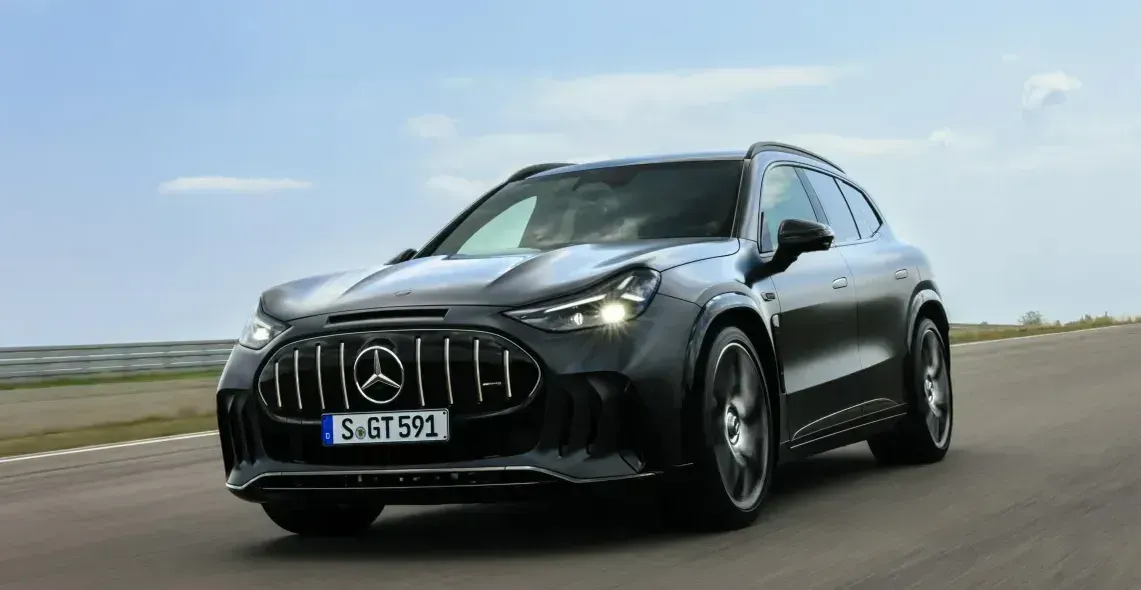
Mercedes-AMG is stepping into a new era of electrification with the reveal of the 2028 GT SUV, marking the first time in nearly six decades that the performance brand has designed a full-size utility vehicle entirely from scratch. Rather than adapting an existing frame, engineers utilized the dedicated AMG.EA architecture to blend suburban versatility with genuine sports car agility. Expected to arrive in the United States next summer, the lineup features three distinct trims, culminating in the flagship GT 63 which unleashes a staggering 1,153 horsepower via three axial flux motors. This puts it in direct competition with rivals like Porsche, potentially shifting the power dynamics of luxury EVs in cities like Stuttgart.
Underneath its muscular exterior lies some of the most advanced battery tech currently available to consumers. Drawing inspiration from Formula 1, the vehicle employs cylindrical cells and a specialized cooling system where nonconductive oil flows around each cell to maintain optimal temperatures during intense driving. For those worried about downtime, an 800-volt system allows for breathtakingly fast charging speeds up to 710kW. In practical terms, drivers can replenish their battery from ten to eighty percent in just twelve minutes or add roughly 280 miles of range in a mere ten minute stop.
Handling such immense power requires more than just raw strength, so Mercedes replaced traditional mechanical roll bars with an active hydraulic suspension system designed to kill pitch and roll during aggressive maneuvers. When paired with active rear axle steering and triple stage air springs, the result is a machine that aims to feel significantly smaller than its nearly six thousand pound curb weight. To keep things visceral despite the silent powertrain, AMG is piping in authentic recordings of V8 and six cylinder engines along with haptic seat vibrations and simulated gear shifts through paddle shifters.
The interior is equally futuristic, centered around a fourteen inch display powered by MB.OS and integrated AI assistants from Google and Microsoft. Beyond simple convenience and climate control, artificial intelligence plays a role in actual performance through a Predictive Performance Manager. By analyzing track mapping data in real time, the car can intelligently manage motor output based on terrain—saving energy on descents to ensure maximum thrust on long straights—effectively preventing overheating and ensuring consistent lap times for enthusiasts who take their family hauler to the circuit.