
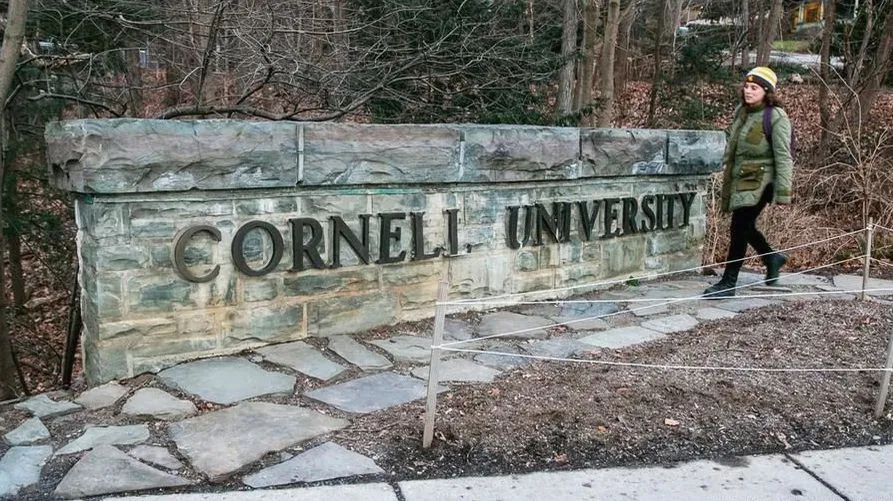
Cornell University has imposed a sweeping ban on all fraternity house parties through the end of the 2026/27 academic year, marking a drastic shift in campus life following a harrowing gang rape allegation. The decision comes in the wake of a lawsuit filed by a woman who claims she was drugged and sexually assaulted by multiple members of the Chi Phi fraternity during an October 2024 event. According to court documents, fraternity members even shared messages claiming she was sexually available without her knowledge. While the university previously shuttered the specific chapter involved and disciplined some students, the lack of criminal charges sparked national outrage and accusations that the administration failed to protect its students.
President Michael Kotlikoff stated that these restrictive measures are intended to provide necessary breathing room for a comprehensive review of Greek life and to determine if such organizations can ever operate safely on campus again. To ensure accountability moving forward, the university is implementing a zero tolerance policy where any violation could lead to the immediate suspension of an entire chapter. It remains unclear if this crackdown extends to off campus gatherings, but the school is actively seeking ways to create safer social alternatives for students that move away from traditional party culture.
Beyond disciplinary actions, Cornell is expanding its victim support services by adding a dedicated case manager to its Office of Civil Rights. This role is designed to help survivors navigate the often daunting process of reporting sexual misconduct. In an effort to restore transparency, Kotlikoff also announced that the university will coordinate with New York State Police to facilitate investigations independent of campus security, which had faced scrutiny over their handling of previous reports.
The fallout from this case has reached high levels of government due to early failures in prosecution. After local authorities declined to bring charges against seven men who deny all allegations, New York Attorney General Letitia James stepped in to oversee the investigation. Additionally, former Deputy US Attorney General Sally Yates has been brought in to review how Cornell handled its internal response. These external audits highlight a growing demand for systemic change within elite universities regarding how they manage alcohol, power dynamics, and sexual violence within student organizations.