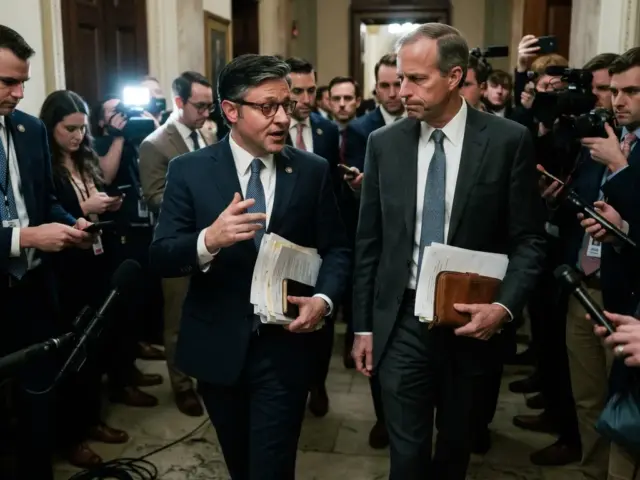

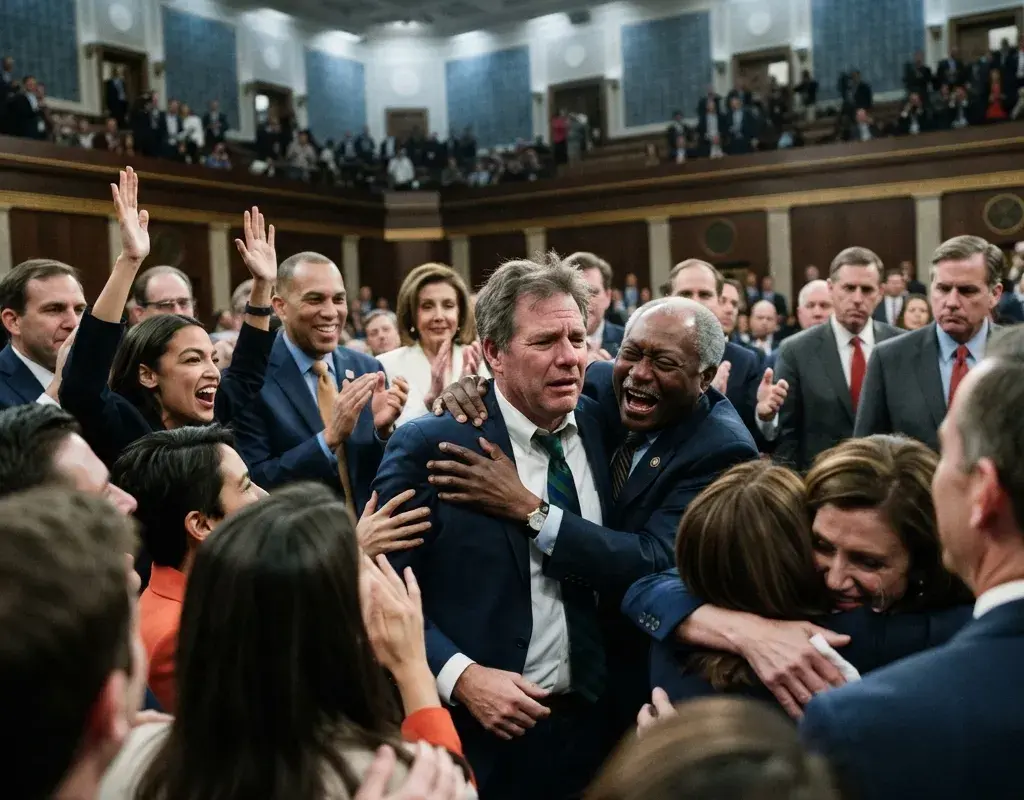
Democratic lawmakers crossed a historic threshold on Sunday, securing their 258th seat in the House and claiming the largest general election majority for any party in over three decades. The final piece of the puzzle fell into place in North Carolina, where newcomer Chuck Hubbard narrowly defeated incumbent Republican Virginia Foxx following a tense recount. With gains totaling 44 seats, the victory represents a political shift not seen since the early nineties, leaving Republicans with at least 173 seats and placing immense pressure on the incoming Democratic leadership to translate this momentum into tangible results.
The sheer scale of the win suggests a deep public dissatisfaction with the current administration, particularly regarding inflation and the rising cost of living. Exit polls indicate that voters who viewed the economy as failing overwhelmingly broke for Democrats across the Midwest and East Coast. Now holding both chambers of Congress alongside a Republican president, Democrats are framing this landslide as a direct mandate for change. Representative Alexandria Ocasio Cortez described the result as a call for systemic transformation, while others emphasize that failure to address affordability and healthcare quickly could alienate an already frustrated electorate.
Incoming leader Hakeem Jeffries, who is poised to become the first Black speaker of the House, enters January with significant breathing room that his predecessor lacked. Unlike previous narrow margins where a handful of dissenters could paralyze legislation, Jeffries can afford several defections within his own caucus while still passing his agenda. His primary goals include a fast tracked hundred day plan focused on restoring Affordable Care Act tax credits and reversing Medicaid cuts, signaling a sharp pivot toward social safety net expansions.
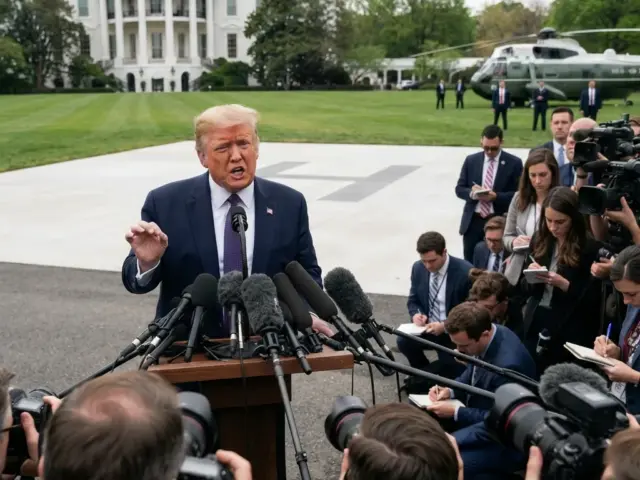
Beyond policy shifts, the new majority intends to utilize its oversight powers aggressively to act as a check on presidential authority. Plans are already underway for extensive investigations into President Trump’s financial dealings during his second term, though these moves have already drawn warnings from the White House characterizing such probes as politically motivated. As January approaches, the central tension will be whether this diverse coalition of progressives and centrists can remain unified long enough to fulfill their ambitious campaign promises.