
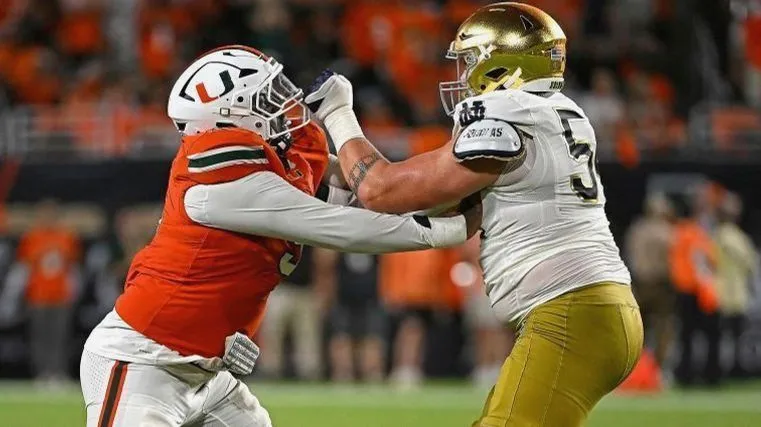
Long before they were modern rivals, the University of Miami and Notre Dame created a spectacle that transcended sport. In 1955, the anticipation for their first meeting was so feverish that Miami officials struggled to manage a deluge of ticket requests from across the country, eventually leading to a record breaking crowd and cancelled classes. While Notre Dame dominated the early decades of the series, the dynamic shifted violently in the eighties when Howard Schnellenberger and Jimmy Johnson transformed Miami into a powerhouse. For several years, this matchup essentially decided the national championship, fueled by an intensity that eventually grew too volatile for on campus play, resulting in a twenty six year hiatus.
The friction between these two programs was never just about X’s and O’s; it was a clash of identities often framed as Catholics versus Convicts. Former Miami receiver Randal Hill describes it not as a simple dislike, but as genuine hate rooted in what each program represented. To many at Miami, Notre Dame symbolized an antiquated purity and unearned entitlement associated with tradition and Touchdown Jesus. Conversely, the Hurricanes were viewed as arrogant outsiders who crashed the party with swagger and aggression. Though neither stereotype was entirely accurate, this narrative provided a theatrical backdrop that turned every snap into a cultural battleground.
Much of this bitterness crystallized during a ruthless rout in 1985 under Jimmy Johnson. Rather than showing mercy to a struggling Irish team, Miami pressed their advantage throughout the game, treating the contest as a meritocracy where starters played regardless of the score. Players like Bill Hawkins recall the satisfaction of dismantling a system they perceived as elitist. For Miami, beating Notre Dame wasn’t just about adding another win to the column; it was an announcement to the sporting world that a new order had arrived in college football, one that valued raw hunger over established prestige.
Even decades later, members of both programs look back on those clashes with a mixture of nostalgia and lingering adrenaline. Whether it is old teammates reminiscing over specific plays in a basement man cave or former stars recalling recruiters’ shock at their defiance, the emotional residue remains potent. As these two giants prepare to meet again on Saturday night, they carry with them more than just current rankings; they carry a legacy of mutual disdain that continues to burn long after the final whistles of their golden era have blown.