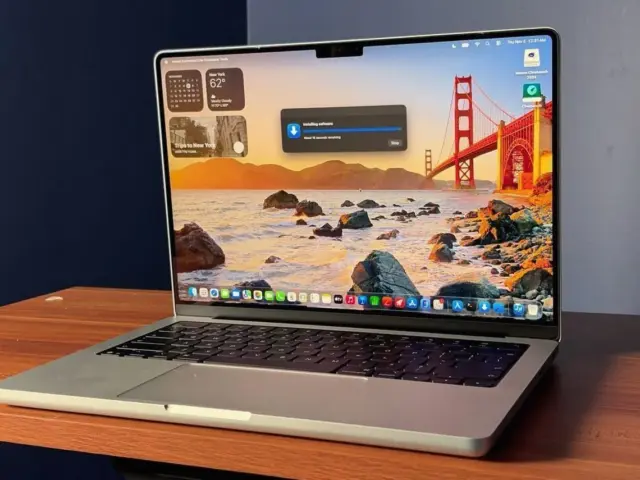

Apple is shaking up the way it builds its next generation of software, opting for a new development rhythm for iOS 28 and macOS 28. According to Mark Gurman of Bloomberg, the company has moved away from its traditional cycle to give engineers more breathing room during the initial creative phases. Usually, Apple splits its development stages into equal blocks of four weeks for coding followed by four weeks of convergence, where those new ideas are integrated into the main system.
This time, however, the tech giant has shifted the balance in favor of exploration. The first stage of development now consists of six weeks dedicated entirely to coding and feature discovery, leaving only two weeks for the final convergence process. This adjustment effectively grants developers more time to experiment with ambitious ideas and refine new tools before they are locked into the system architecture.
Internal feedback suggests that employees are welcoming the change, as it reduces the pressure to finalize features prematurely and allows for a more organic creative process. While this shift in workflow hints at a desire for more innovative updates, Apple has not yet revealed any specific features slated for the upcoming releases. Users can expect to see the first beta versions of these operating systems arrive in June, with a full public rollout scheduled for September next year.