
Why Is Missouri Targeting CoinFlip’s Crypto ATMs?
Missouri Attorney General Catherine Hanaway has sued GPD Holdings LLC, the operator of CoinFlip, alleging that the cryptocurrency ATM network facilitated fraudulent transactions while charging high fees to consumers using its kiosks.
The complaint, filed in Jasper County Circuit Court, places crypto ATMs under sharper legal scrutiny at a time when state officials are linking kiosk-based transactions to fraud losses. Missouri said roughly 350 crypto ATM-related cases have been reported in the state over the past 2 years, with losses tied to CoinFlip machines and similar kiosks potentially reaching millions of dollars.
The lawsuit seeks consumer restitution, civil penalties of up to $1.826 million, and an injunction that would prevent the company from operating in Missouri. The case turns a familiar crypto enforcement issue into a consumer protection dispute: whether kiosk operators are doing enough to stop scam-driven transactions before cash is converted into digital assets and sent to wallets controlled by fraudsters.
Hanaway framed the machines as a tool used by scammers. “Bitcoin and crypto ATMs are the new getaway cars for fraud, whisking away innocent people’s money to scammers, never to return,” she said. “As Attorney General, I’ll use every tool to flush out the cowardly scammers hiding behind screens and hold them accountable.”
How Do Crypto ATM Scams Work?
Crypto ATM fraud often begins outside the kiosk. Victims are commonly contacted through impersonation scams, fake law enforcement claims, romance schemes, tech support fraud, or urgent payment demands. The victim is then directed to withdraw cash, visit a crypto ATM, convert the money into cryptocurrency, and send it to an external wallet.
Once the transfer is complete, the transaction is difficult to reverse. The Missouri complaint said crypto transactions conducted through cryptocurrency kiosks are nonrefundable and hard to trace. That feature makes the machines useful endpoints for scams because the cash-to-crypto conversion can move funds quickly beyond the victim’s reach.
The filing said these schemes disproportionately affect elderly individuals on fixed incomes. It also cited a sharp increase in nationwide senior citizen losses involving crypto payment methods since 2020. For regulators, that makes crypto ATMs more than a digital asset access point. They are now being examined as a consumer harm channel where fraud prevention controls, warnings, transaction limits, and fee disclosures can become central legal questions.
Investor Takeaway
The Missouri case shows how crypto ATM operators are facing enforcement risk not only from securities or money transmission rules, but from state consumer protection laws. Kiosk networks with high retail exposure may face closer scrutiny over fraud controls, fee structures, and customer warnings.
Why Are CoinFlip’s Fees Part of the Case?
Missouri’s complaint also focuses on CoinFlip’s pricing. The filing alleges that the company charged fees of up to 21.9% on each conversion processed through its kiosks. The state argues those fees were embedded in the company’s pricing structure and applied regardless of whether a transaction was later linked to a scam.
That allegation matters because it connects the fraud issue to the company’s revenue model. If a kiosk operator earns fees from every transaction, including transactions later tied to scams, regulators may question whether the operator had enough incentive to screen suspicious activity. The lawsuit does not depend only on whether scammers used the machines. It also examines whether the business benefited from transaction flows that allegedly included fraudulent activity.
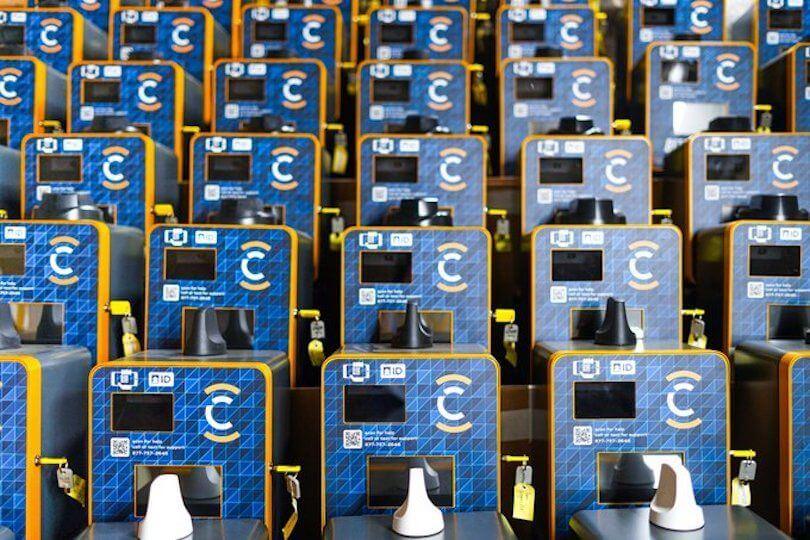
CoinFlip, founded in 2015, advertises itself as the world’s largest cryptocurrency ATM network by transaction volume. The company operates more than 140 kiosks across Missouri, with machines located in convenience stores, liquor stores, vape shops, and gas stations. That physical footprint gives consumers easy access to crypto purchases, but it also creates a compliance challenge because kiosk transactions often involve cash, limited customer interaction, and users who may be acting under pressure from scammers.
What Are the Wider Market Implications?
The lawsuit adds to pressure on crypto ATM operators at a time when state-level enforcement is becoming a larger part of digital asset regulation in the United States. While federal agencies often focus on exchanges, token issuers, and market intermediaries, state attorneys general can target consumer harm more directly through fraud, unfair practice, and deceptive practice laws.
For crypto ATM firms, the case could increase the need for stronger transaction monitoring, clearer scam warnings, tighter limits for first-time users, and more intervention when customer behavior appears abnormal. Operators may also face pressure to show that high-fee kiosk models do not create weak incentives around fraud prevention.
The case also has implications for the broader crypto market. ATMs remain one of the most accessible cash entry points into digital assets, especially for users outside traditional exchange platforms. If states begin treating these machines as high-risk consumer protection channels, operators could face higher compliance costs or restrictions on where and how kiosks are used.
Missouri’s lawsuit does not resolve those questions, but it sharpens the legal risk around crypto ATM networks. The central issue is no longer only whether consumers can access cryptocurrency through physical kiosks. It is whether operators can prove that access does not come at the expense of vulnerable users exposed to irreversible fraud.